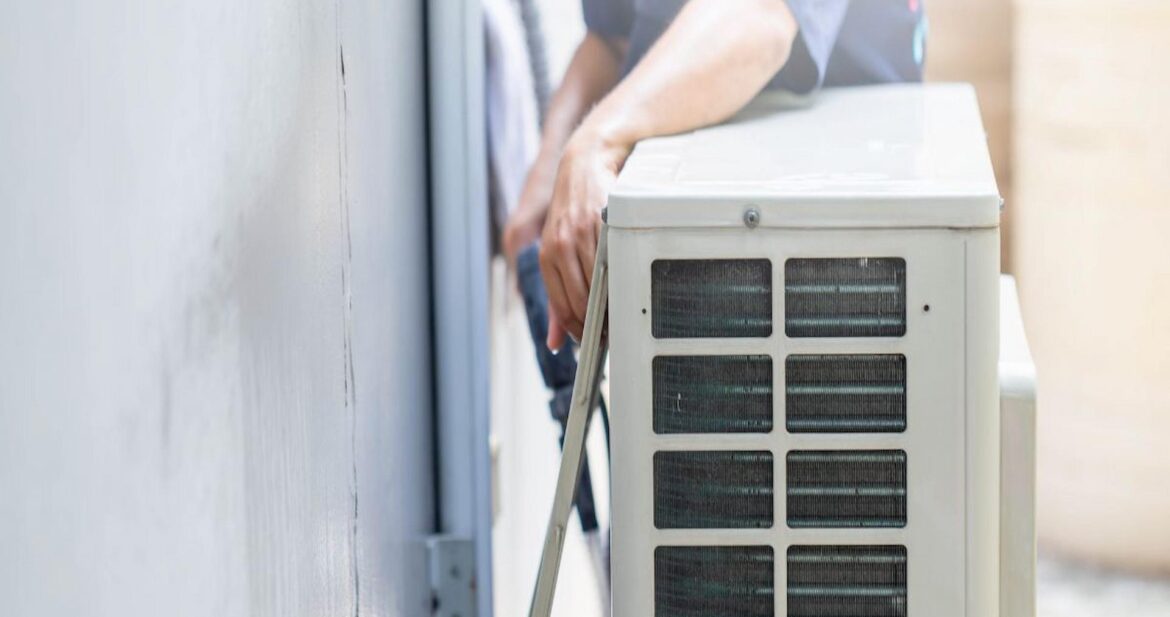
A reliable cooling system is essential for maintaining comfort during warmer months, especially when temperatures rise unexpectedly. Most homeowners expect their air conditioning system to work quietly and efficiently in the background, but problems often develop gradually before a complete breakdown occurs. Recognising the early warning signs can help prevent expensive repairs, sudden system failures, and uncomfortable indoor conditions.
Many cooling issues start small. A strange sound, weak airflow, or inconsistent temperatures may not seem urgent at first, yet these symptoms often indicate deeper mechanical or electrical problems. In many cases, contacting an experienced air conditioning contractor in Newtown Square, PA, early can prevent further damage and extend the lifespan of the system.
Weak or Inconsistent Airflow
One of the clearest signs of a struggling cooling system is reduced airflow coming from the vents. If certain rooms feel warmer than others or the airflow seems weaker than usual, the system may no longer be operating efficiently.
Several issues can cause this problem. Dirty air filters are one of the most common culprits, but airflow problems can also result from blocked ductwork, failing blower motors, or frozen evaporator coils. In some homes, leaking ducts may prevent cooled air from reaching different areas properly.
Inconsistent airflow not only reduces comfort but also forces the system to work harder than necessary. Over time, this additional strain can increase energy consumption and accelerate wear on key components.
Professional inspection helps identify the root cause before the issue worsens.
Strange Noises During Operation
Cooling systems are never completely silent, but unusual noises should not be ignored. Rattling, grinding, squealing, buzzing, or banging sounds often indicate internal problems that require immediate attention.
Different sounds can point to different issues:
- Squealing may suggest worn belts or motor problems.
- Grinding noises can indicate damaged bearings.
- Buzzing could signal electrical faults.
- Rattling sometimes means loose components or debris inside the unit.
Ignoring these sounds may lead to more serious mechanical damage over time. A small loose component today could eventually damage the compressor or fan assembly if left unresolved.
Professional technicians can safely diagnose the source of the noise and perform repairs before the problem becomes more expensive.
Rising Energy Bills Without Explanation
A sudden increase in electricity costs is often an early sign that a cooling system is operating inefficiently. Even if the unit still cools the home, hidden problems may force it to consume significantly more energy than normal.
Several factors can reduce efficiency, including:
- Dirty coils
- Refrigerant leaks
- Failing compressors
- Clogged filters
- Ageing components
- Thermostat malfunctions
Older systems naturally become less efficient over time, especially if routine maintenance has been neglected. However, a sharp increase in monthly cooling costs usually indicates a specific issue that should be inspected.
Many homeowners delay calling a technician because the system still appears functional. Unfortunately, inefficient operation often places additional strain on the equipment, increasing the likelihood of larger failures later.
Professional servicing can help identify efficiency problems early and restore proper system performance before energy costs continue climbing.
Warm Air Coming From the Vents
When a cooling system begins blowing warm or lukewarm air, the problem should be addressed quickly. This issue usually indicates that the system is no longer cooling effectively, even if it appears to be running normally.
Several underlying problems may be responsible:
Refrigerant Leaks
Low refrigerant levels prevent the system from absorbing heat properly. Refrigerant leaks also reduce efficiency and can damage the compressor if ignored.
Thermostat Problems
Sometimes the issue is as simple as incorrect thermostat settings or sensor malfunctions. Faulty thermostats may fail to communicate accurately with the cooling system.
Compressor Failure
The compressor plays a central role in the cooling process. If it begins failing, the system may struggle to produce cold air consistently.
Electrical Issues
Damaged wiring or failing electrical components can interrupt the cooling cycle and prevent the unit from functioning correctly.
Warm air problems rarely resolve themselves and often worsen over time. Prompt inspection helps prevent additional strain on the system and reduces the risk of complete failure during hot weather.
Frequent Cycling or Constant Running
Cooling systems naturally cycle on and off throughout the day to maintain indoor temperatures. However, frequent short cycling or nonstop operation usually indicates an underlying problem.
Short cycling occurs when the system turns on and off repeatedly within short periods. This behaviour can be caused by:
- Oversized equipment
- Thermostat placement issues
- Refrigerant problems
- Dirty coils
- Electrical malfunctions
On the other hand, a system that runs constantly may struggle to reach the desired temperature due to poor efficiency, restricted airflow, or failing components.
Both issues place significant stress on the equipment. Constant cycling increases wear on motors and compressors, while nonstop operation raises energy costs and shortens system lifespan.
Professional evaluation helps determine whether the issue is mechanical, electrical, or related to system sizing.
Why Early Repairs Matter
Many homeowners postpone HVAC service until the cooling system stops working entirely. Unfortunately, waiting too long can turn minor repair needs into major replacements.
Addressing issues early offers several advantages:
- Lower repair costs
- Improved energy efficiency
- Better indoor comfort
- Longer equipment lifespan
- Reduced risk of emergency breakdowns
Routine inspections also allow technicians to identify hidden problems before they affect overall system performance.
Cooling systems are complex pieces of equipment with multiple moving parts working together under significant strain during warmer months. Even small issues can quickly escalate if ignored.
Conclusion
Your cooling system works hard to maintain a comfortable and energy-efficient home environment, especially during periods of extreme heat. Ignoring common air conditioning problems such as warm airflow, unusual noises, poor cooling performance, or short cycling can lead to higher utility bills, reduced efficiency, and major HVAC repairs. Routine maintenance and early professional inspections are essential for keeping your air conditioning system operating safely and efficiently.
Homeowners who address small AC issues early often avoid costly emergency repairs and unexpected breakdowns later. By paying attention to these important warning signs and scheduling timely HVAC service, you can improve indoor comfort, increase system reliability, and extend the long-term performance of your home cooling system.






Leave a Reply
You must be logged in to post a comment.