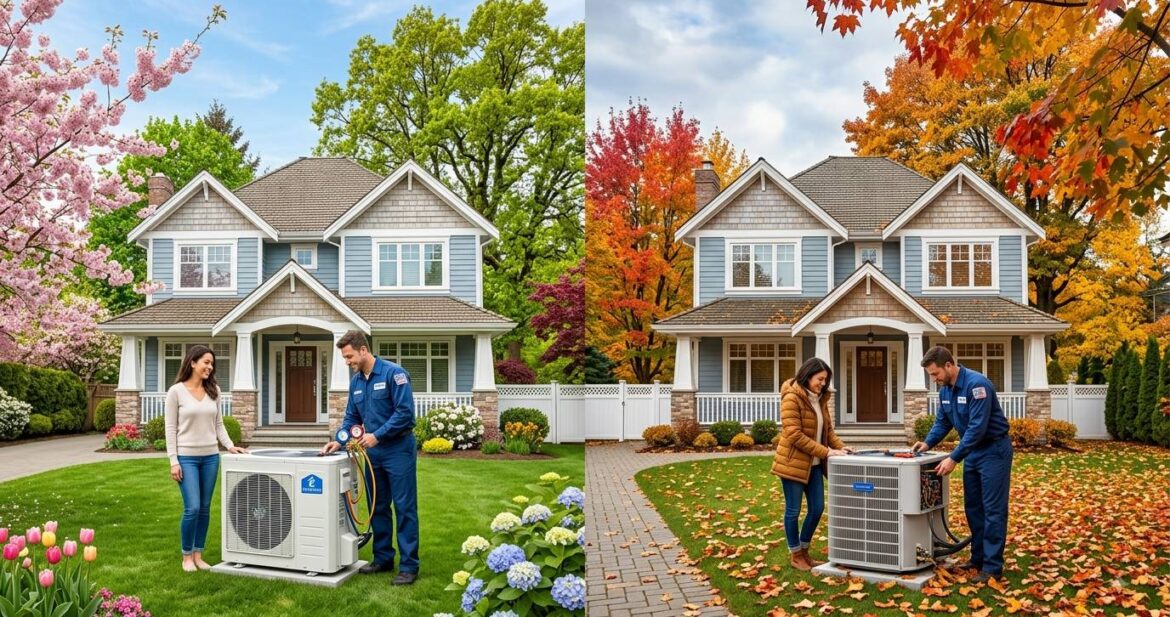
Choosing the right season for HVAC care can mean the difference between steady comfort and costly surprises. Spring and fall each offer unique advantages for keeping your system ready. Discover the best timing, practical steps, and why consistent professional attention protects your home year-round.
Every homeowner wants reliable heating in winter and cool air in summer without unexpected breakdowns or high energy bills. The secret often lies in timing. Scheduling professional service at the right moments prepares your system for the demands ahead. Many families find that enrolling in HVAC maintenance plans for homeowners makes this process simple and consistent, delivering twice-yearly tune-ups that keep equipment running safely and efficiently. Whether you prefer spring readiness or fall preparation, understanding the seasons helps you protect your investment and enjoy better comfort.
Why Seasonal Timing Matters for Your HVAC System
HVAC systems work hard through temperature extremes. Without regular care, dust, wear, and minor issues build up and lead to reduced performance or sudden failures. Professional maintenance includes thorough inspections that catch problems early. Spring and fall stand out because outdoor conditions are milder, technicians have greater availability, and your system is not under peak stress. These windows allow careful testing and adjustments before heavy use begins.
The Case for Spring Maintenance
Spring service focuses on preparing your cooling equipment for summer heat. Technicians examine key components so the system can handle rising temperatures without strain.
- Inspect and clean coils and condensate drains to support efficient cooling.
- Test pressures, motors, capacitors, and safety controls for reliable operation.
- Replace standard filters and check blower performance.
This timing helps prevent mid-summer failures when demand peaks and service calls increase. Clean systems use less energy, which can lower monthly costs. Homeowners who handle basic tasks such as changing filters regularly and keeping the outdoor unit free of leaves or debris give the professional visit an even stronger start.
The Advantages of Fall Maintenance
Fall service shifts attention to heating readiness. Cooler weather arrives quickly, so ensuring the furnace or heat pump is ready matters.
- Test ignition systems, gas valves, and safety controls for safe heating.
- Inspect heat exchangers, flue pipes, and carbon monoxide levels.
- Clean burners and check temperature rise across the system.
Fall maintenance reduces the chance of cold-weather emergencies. It also supports longer equipment life and helps maintain manufacturer warranties that often require documented professional care. Pairing this visit with ongoing homeowner habits—such as clearing vents and monitoring unusual noises—keeps performance steady through winter.
Spring and Fall Together: The Strongest Approach
Many experts recommend service twice a year because heating and cooling systems face different stresses. A heat pump, for example, needs attention in both seasons since it handles both functions. Biannual visits align with natural cycles and deliver measurable benefits: improved efficiency, fewer repairs, longer system life, and better indoor comfort. HVAC maintenance plans for homeowners often include these two scheduled inspections plus added value such as priority response and discounts on needed parts or labor. This structure removes the guesswork of remembering appointments and ensures consistent care.
Actionable Tips for Homeowners
Stay proactive between professional visits. Change or clean filters every one to three months depending on use and household conditions. Keep the area around outdoor units clear of debris. Clean vent covers periodically so air flows freely. Watch for warning signs like unusual sounds, uneven temperatures, or rising energy use, and schedule service promptly. Professional technicians handle the specialized checks that require tools and training, so leave those tasks to them.
FAQs
Does spring or fall matter more for most systems?
Both seasons play important roles. Cooling needs spring attention; heating benefits from fall care. Together they provide complete protection.
How long does a typical maintenance visit take?
Most appointments finish in one to two hours, leaving your system ready without major disruption to your day.
Can skipping a season cause problems?
Yes. Missed maintenance can lead to higher bills, more frequent repairs, and potential warranty issues over time.
What simple steps can I take myself?
Regular filter changes, debris clearing around outdoor units, and basic vent cleaning help a great deal. Leave technical inspections to licensed professionals.
Why consider a formal maintenance arrangement?
Structured plans deliver consistent twice-yearly service along with practical benefits that support long-term system health and homeowner convenience.
Final Thoughts
Choosing between spring and fall does not have to be an either-or decision. The smartest path is addressing both seasons so your HVAC system stays prepared for whatever the weather brings. Regular professional care extends equipment life, improves efficiency, and reduces the risk of inconvenient breakdowns. Homeowners who stay consistent with seasonal service enjoy steadier comfort and greater peace of mind. Exploring HVAC maintenance plans for homeowners offers a practical way to lock in those twice-yearly visits and related advantages. Take the next step by scheduling service at the optimal times and keep your home comfortable through every season.






Leave a Reply
You must be logged in to post a comment.