Household leaks can start quietly. A small damp patch, a drop in water pressure, or a higher-than-usual water bill may be the first sign that something is wrong. While some leaks are easy to spot, others hide behind walls, beneath floors, or underground, where they can cause damage long before they become visible. When this happens, professional leak repair services can help identify the source accurately and recommend the right method of repair.
Understanding the most common causes of household leaks makes it easier to act quickly and prevent further problems. From aging pipework to faulty fittings, each type of leak has its own warning signs and repair approach. Knowing when to rely on leak repair services and when a simple fix may be enough can save both time and expense.
Aged or Corroded Pipes
One of the most common causes of household leaks is old or corroded pipework. Over time, metal pipes can weaken due to rust, mineral build-up, pressure changes, and general wear. In older properties, pipe materials may also be less durable than modern alternatives, making leaks more likely as the system ages.
Corroded pipes may develop tiny pinhole leaks at first. These can be difficult to detect because the water may seep slowly into surrounding materials. Signs can include discoloured water, reduced pressure, damp smells, or staining on ceilings and walls.
Repair depends on the condition of the pipe. If the damage is limited to one section, the affected area may be cut out and replaced. However, if corrosion is widespread, a larger section of pipework may need upgrading. In some cases, replacing old pipework is the most practical long-term solution, especially if leaks keep returning.
Loose or Damaged Pipe Joints
Pipe joints are another frequent source of leaks. These are the connection points where pipes meet fittings, valves, or appliances. Over time, joints can loosen due to vibration, temperature changes, water pressure, or poor installation.
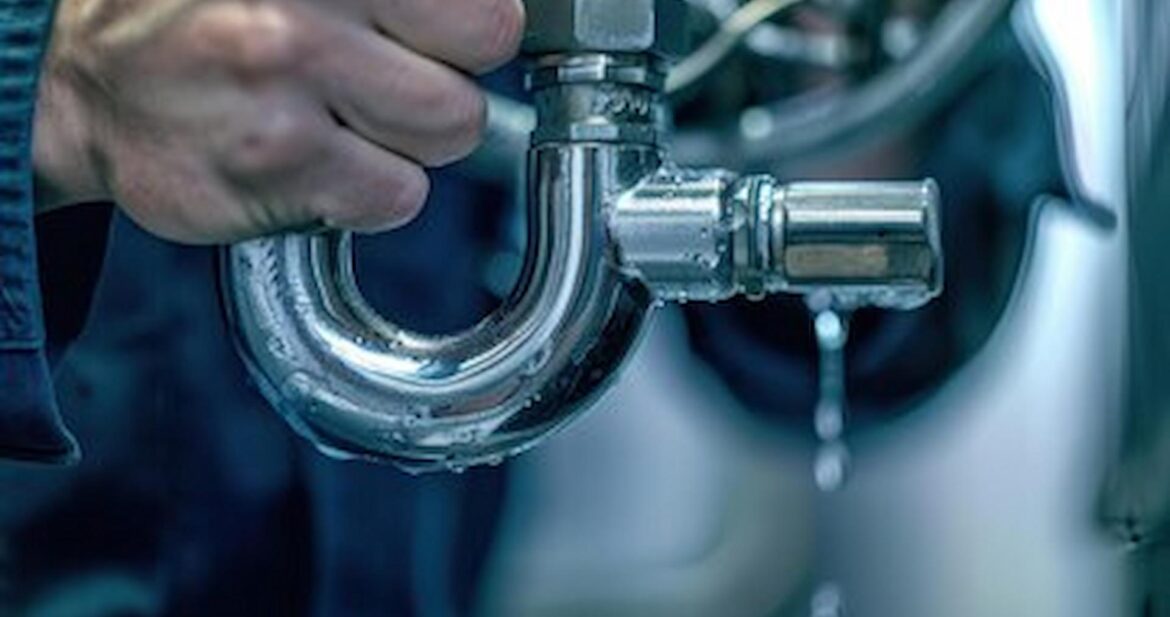
A leaking joint may show as dripping under a sink, dampness around a boiler, or moisture near washing machine or dishwasher connections. Sometimes, the leak only appears when water is running, which can make it harder to notice.
Repairs usually involve tightening the joint, replacing worn washers, resealing the connection, or fitting a new connector. If the joint has cracked or become badly worn, it may need to be replaced entirely. A careful repair is important because a poorly sealed joint can fail again under pressure.
Leaks Under Sinks and Around Appliances
Kitchens, bathrooms, and utility rooms are high-risk areas for leaks because they contain several water connections in a small space. Sinks, taps, toilets, washing machines, dishwashers, and showers all rely on pipework, seals, hoses, and valves.
Common causes include worn tap washers, damaged flexible hoses, loose waste pipes, cracked seals, and faulty appliance connections. These leaks can sometimes be minor, but they should not be ignored. Water beneath cabinets or flooring can quickly lead to swelling, mould, and unpleasant odours.
Typical repairs may include replacing a washer, tightening a trap, fitting a new hose, resealing around fixtures, or changing a faulty isolation valve. In situations where faults are not immediately visible, leak repair services may be required to trace the exact cause without unnecessary disruption.
Hidden Leaks Behind Walls and Floors
Some of the most damaging leaks are the ones that cannot be seen straight away. Pipes hidden behind plasterboard, under floorboards, or inside wall cavities can leak slowly for weeks or even months. By the time visible damage appears, water may already have affected insulation, timber, flooring, or electrical areas.
Warning signs of a hidden leak can include:
- Damp patches that grow or return after drying
- A musty smell in one room or area
- Peeling paint, bubbling wallpaper, or warped skirting boards
- Unexplained mould growth
- A sudden drop in boiler pressure
- Water meter movement when no taps are in use
- Reduced water pressure without an obvious reason
Repairing hidden leaks usually begins with accurate detection. This may involve moisture meters, acoustic listening equipment, thermal imaging, or pressure testing. Once the source is confirmed, the repair can be targeted, reducing the need for unnecessary disruption. The damaged pipe section may then be repaired or replaced and the affected area dried and restored.
Underground Water Main Leaks
Underground leaks can occur in the water supply pipe that runs between the mains connection and the property. These leaks are often harder to identify because the pipe is buried beneath gardens, driveways, paths, or floors.
Common causes include ground movement, aging pipework, pressure stress, tree root disturbance, and accidental damage during excavation. Signs may include unusually wet ground, lower water pressure, a constantly running water meter, or an unexplained increase in water bills.
Repair methods depend on the location and severity of the leak. If the leak is small and accessible, the damaged section may be exposed and repaired. If the pipe is old or damaged in several places, replacement may be more reliable. In some situations, modern techniques can reduce excavation, helping to limit disruption to outdoor surfaces and landscaping.
Leaking Toilets and Cistern Problems
Toilet leaks are common and can waste a significant amount of water if left unresolved. Some are obvious, such as water pooling around the base of the toilet. Others are more subtle, such as water continuously trickling into the pan from the cistern.
Frequent causes include faulty flush valves, worn seals, loose fittings, cracked cistern components, or problems with the inlet valve. A leaking toilet may also cause damp flooring, staining, or a faint sound of running water even when the toilet has not been flushed.
Repairs usually involve replacing the faulty internal part, resealing the connection, or tightening the fittings. If the toilet pan or cistern is cracked, replacement may be needed. Because toilet leaks often continue unnoticed, checking the cistern and flush mechanism regularly can help prevent unnecessary water waste.
Roof, Gutter, and External Water Leaks
Not every household leak comes from plumbing. Rainwater can enter a property through damaged roofs, blocked gutters, cracked flashing, or poorly sealed windows and doors. These leaks often become noticeable after heavy rain, making them slightly easier to link to weather conditions.
Signs can include damp patches near ceilings, water running down internal walls, mold near window frames, or staining in loft spaces. Blocked gutters can also cause water to overflow and soak external walls, eventually leading to internal damp.
Repair may involve clearing gutters, replacing broken roof tiles, resealing flashing, repairing window seals, or improving drainage around the property. It is important to deal with external leaks promptly, as ongoing water ingress can damage plaster, insulation, timber, and brickwork.
Heating System and Radiator Leaks
Central heating systems can also develop leaks. Radiators, valves, pipe joints, and boilers all contain pressurised water, so even a small fault can affect the system’s performance. A leak may cause boiler pressure to drop, radiators to heat unevenly, or damp patches to appear near pipe runs.
Radiator leaks often come from valves, corrosion, or damaged seals. Minor valve leaks may be repaired by tightening or replacing the valve. If the radiator itself has corroded, replacement may be the better option. Pipe leaks within the heating system are usually repaired by isolating the affected section and fitting new pipework or connectors.
For boiler-related leaks, professional inspection is essential. Boilers contain complex parts, and repairs should only be carried out by a suitably qualified engineer.
How Leak Repairs Are Usually Carried Out
The right repair method depends on where the leak is, what caused it, and how much damage has already occurred. A reliable approach usually follows a clear process:
- Inspection and detection: The first step is to confirm the leak location using appropriate tools and techniques.
- Isolating the water supply: The affected section is isolated to prevent further water loss.
- Accessing the damaged area: Careful access is made to avoid unnecessary disruption to the property.
- Repairing or replacing components: The faulty pipe, joint, or fitting is repaired or replaced as needed.
- Testing the system: The system is checked to ensure the issue has been resolved.
- Drying and reinstatement: Any affected materials are dried and restored where necessary.
This structured approach ensures the repair is both effective and long-lasting.
When Should You Call a Professional?
Some minor leaks, such as a loose sink trap or worn washer, may be simple to fix. However, hidden leaks, underground leaks, heating system faults, and recurring damp patches should be handled professionally. Guesswork can lead to unnecessary damage, especially if floors or walls are opened incorrectly.
If the source is unclear or the issue persists, relying on experienced leak repair services can help resolve the problem quickly and accurately while preventing further damage.
Conclusion
Household leaks can arise from a range of causes, from aging pipes and loose joints to hidden structural issues and external water ingress. While some problems are straightforward, others require careful detection and professional repair to avoid long-term damage.
Recognising early warning signs and responding promptly is key. Whether the issue is visible or hidden, taking the right approach to repair ensures your home remains safe, efficient, and free from unnecessary water damage.






Leave a Reply
You must be logged in to post a comment.