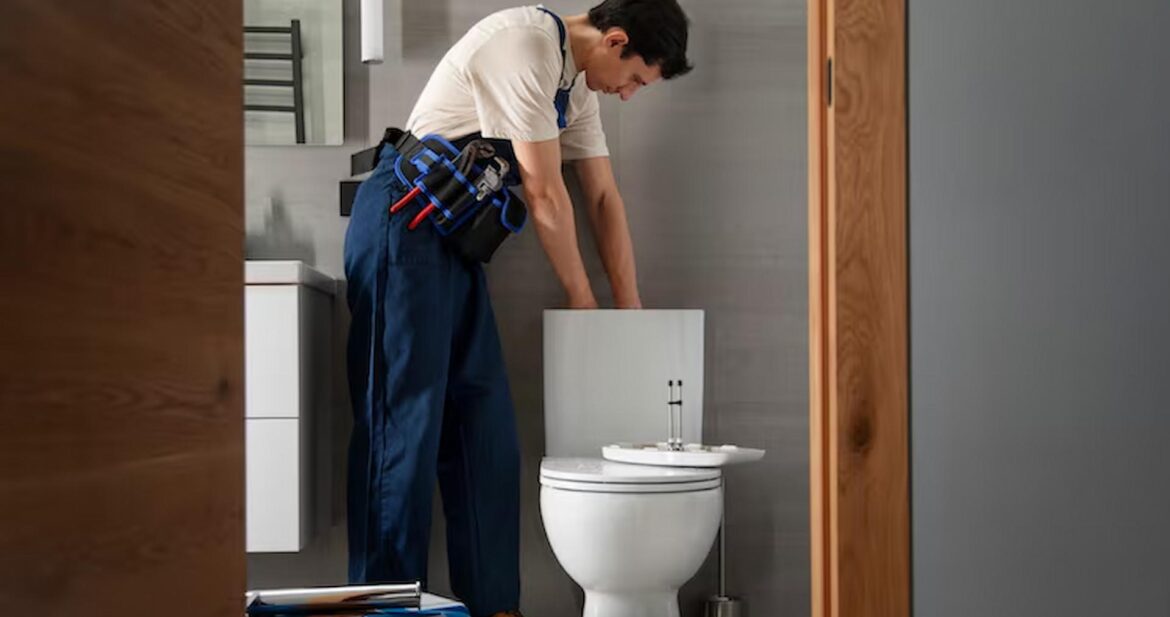
A toilet may seem like one of the simplest fixtures in the home, but small internal parts can create surprisingly large problems. One of the most common issues is a toilet that keeps running after it has been flushed. It may not flood the bathroom or cause an obvious emergency, but it can quietly waste a significant amount of water every day.
Many homeowners first notice the problem when they hear faint trickling long after flushing, see movement in the toilet bowl, or receive a higher water bill than usual. If you have ever wondered what is a flapper valve, it is a small rubber or plastic part inside the toilet tank that controls water flow from the tank into the bowl. When it fails to seal properly, water can leak continuously, often without being noticed right away.
Why a Running Toilet Should Not Be Ignored
A running toilet is easy to dismiss. After all, it may still flush normally, and there may be no visible leak on the floor. However, the problem is usually happening inside the tank. Water continues moving from the tank into the bowl, and the fill valve keeps adding more water to replace what is lost.
This cycle can continue all day and night. Over time, it can waste hundreds or even thousands of gallons. That wasted water affects utility bills and places unnecessary strain on the plumbing system. In areas where water costs are high, even a small leak can become expensive.
The most frustrating part is that this problem is often caused by a simple, inexpensive component. The key is recognizing the warning signs early.
The Flapper Valve’s Role in Toilet Performance
Inside most standard toilets, the flapper valve sits at the bottom of the tank. When the toilet is flushed, the handle lifts the chain connected to the flapper. The flapper rises and allows water to rush from the tank into the bowl. This water movement creates the flush.
After the flush, the flapper should fall back into place and form a tight seal over the drain opening. Once sealed, the tank refills and remains full until the next flush.
When the flapper is damaged, warped, dirty, or misaligned, it may not close completely. Even a small gap can allow water to escape. Because the leak happens inside the toilet, it is not always obvious.
Common Signs of a Faulty Flapper Valve
A bad flapper valve often creates subtle symptoms before it becomes a bigger issue. Homeowners should watch and listen for changes in how the toilet behaves.
Common signs include:
- A toilet that runs after flushing
- Random refilling sounds when no one has used the toilet
- Rippling or slight movement in the bowl water
- Weak or inconsistent flushing
- A handle that needs to be jiggled to stop the water
- Higher water bills without an obvious reason
- Water level dropping in the tank between flushes
These signs do not always mean the flapper is the only problem. The chain, fill valve, float, or overflow tube may also need attention. Still, the flapper is one of the most common causes and is a good place to start.
Why Flapper Valves Wear Out
Flapper valves are exposed to water every day. Over time, the material can lose flexibility. Rubber parts may harden, crack, curl, or develop mineral buildup. Cleaning chemicals placed inside the tank can also speed up wear by breaking down rubber and plastic parts.
Hard water can make the problem worse. Minerals may collect around the valve seat, preventing the flapper from sitting flat. In some cases, the flapper itself is still in fair condition, but buildup around the opening stops it from sealing.
Age is another factor. Even a well-made flapper valve will not last forever. If a toilet has not been serviced in years, the flapper may simply be worn out.
How a Small Leak Becomes a Big Waste
A leaking flapper may release only a small stream of water at a time. That is why the issue often goes unnoticed. However, toilets are connected to a constant water supply. If the tank keeps losing water, the fill valve keeps replacing it.
This steady cycle creates continuous waste. A toilet that runs frequently can use far more water than normal household activities. Because the leak is hidden inside the fixture, homeowners may not realize there is a problem until the water bill arrives.
In some homes, multiple toilets may have aging parts. If more than one toilet is leaking, the waste can add up quickly. Regular checks can prevent small problems from turning into costly ones.
Simple Ways to Check for a Toilet Leak
You do not need advanced plumbing knowledge to look for signs of a leak. A few basic checks can help you identify whether your toilet may be wasting water.
First, listen after flushing. The toilet should stop refilling within a short time. If you hear water running minutes later, something is wrong.
Next, look inside the tank. Make sure the chain is not too tight or too loose. If the chain is caught under the flapper, it can stop the valve from sealing.
Another simple test is the dye test. Add a few drops of food coloring to the toilet tank and wait without flushing. If color appears in the bowl, water is leaking from the tank into the bowl.
These checks can help confirm the problem, but they do not always identify every cause. If the issue continues after a basic inspection, a professional plumber can diagnose it properly.
When Replacement Makes Sense
Replacing a worn flapper valve is often a practical solution. The part is usually inexpensive, and the repair may be quick when the toilet design is straightforward. However, the correct replacement must match the toilet model and flush system.
Not all flapper valves are the same size or shape. Some toilets use standard flappers, while others use canister-style flush valves or specialty parts. Installing the wrong type can lead to poor flushing or continued leaking.
If the valve seat is damaged, the chain is incorrectly adjusted, or other tank components are worn, replacing only the flapper may not solve the issue. That is why it is important to look at the full tank system rather than assuming one part is always responsible.
Preventing Future Toilet Problems
Routine maintenance can help extend the life of toilet components and reduce water waste. Homeowners should inspect toilet tanks a few times a year, especially in older homes or homes with hard water.
Avoid using harsh in-tank cleaning tablets that sit in the water continuously. These products may seem convenient, but they can damage rubber parts over time. Cleaning the bowl separately is usually a safer option for internal tank components.
It is also wise to pay attention to changes in sound. A toilet that suddenly runs longer, refills randomly, or needs repeated handle adjustments is showing early warning signs. Addressing these changes quickly can prevent higher water bills and unnecessary repairs.
When to Call a Professional
Some toilet issues are simple, but others require a trained eye. If a toilet continues running after a flapper replacement, the problem may involve the fill valve, overflow tube, handle assembly, or water pressure. A plumber can inspect the full system and make sure the toilet is working efficiently.
Professional help is also useful when toilets are older, parts are difficult to match, or multiple fixtures are showing problems. In some cases, replacing internal parts can restore performance. In others, an outdated toilet may be costing more in water use than it is worth keeping.
A plumber can also check for hidden leaks elsewhere in the plumbing system if water bills remain high after toilet repairs.
Conclusion
A faulty toilet flapper valve may be small, but it can create a costly water waste problem when ignored. Because the leak happens inside the tank, it may not leave puddles or create obvious damage. Instead, it quietly sends clean water down the drain and forces the toilet to refill again and again.
By listening for running water, checking the tank, and testing for leaks, homeowners can catch the issue early. Whether the solution is a simple part replacement or a professional repair, fixing the problem can improve toilet performance, conserve water, and help prevent unnecessary increases in utility costs.





Leave a Reply
You must be logged in to post a comment.