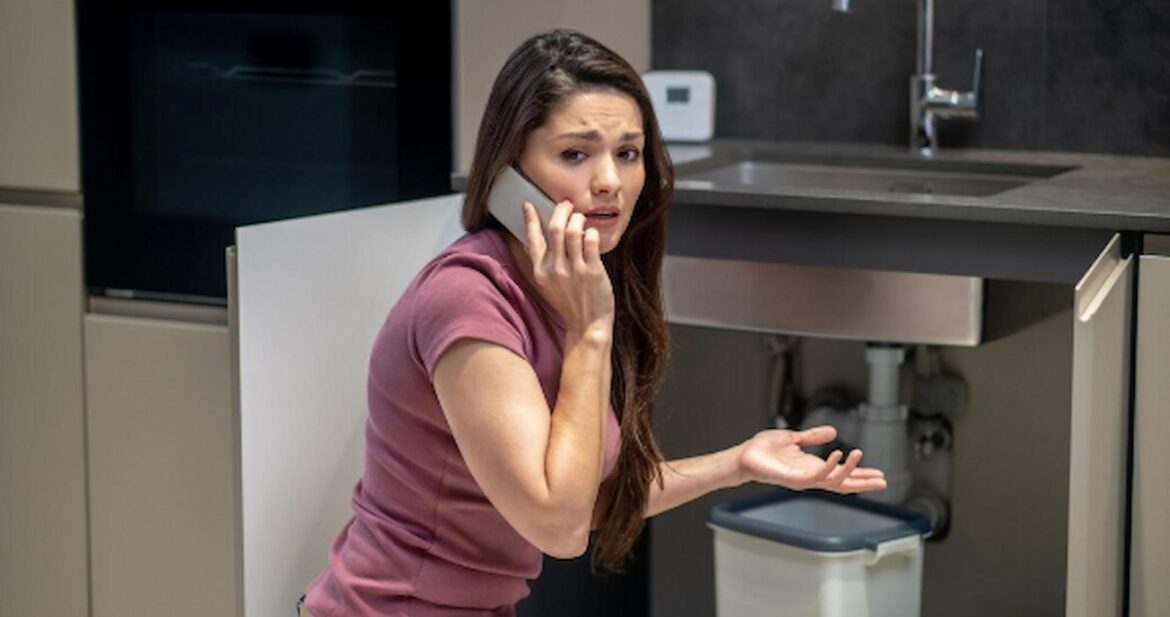
Water leaks are one of the most common and costly problems homeowners face. Even a small leak can cause serious damage over time. Floors, walls, insulation, and electrical systems are all at risk when moisture goes unnoticed. Using a simple leak prevention checklist helps homeowners stay ahead of problems before they turn into expensive repairs.
Leak prevention is not just about plumbing. HVAC systems, appliances, and drainage components all contribute to home comfort. When leaks develop, indoor air quality often suffers as well. Moisture encourages mold growth and creates uncomfortable living conditions. Covenant Heating & Cooling focuses on whole-home comfort, which includes preventing water-related issues that affect heating, cooling, and air quality.
Why Leak Prevention Matters for Homeowners
Leaks rarely stay small. Water slowly weakens structural materials and damages finishes that are costly to replace. Electrical components exposed to moisture create safety risks that should never be ignored. Early detection protects both property and personal safety.
Proactive maintenance helps homeowners avoid sudden emergencies. Regular inspections catch problems early, before water spreads into hidden areas. HVAC-related leaks, such as condensation issues, can directly affect system performance. When moisture builds up, cooling systems work harder and indoor comfort declines.
Common Causes of Home Leaks
Many home leaks develop due to age-related wear. Pipes, seals, and fittings weaken over time and eventually fail. Seasonal temperature changes also stress plumbing systems, especially during freeze-thaw cycles. These shifts cause expansion and contraction, loosening connections.
Roof drainage problems are another common cause. Clogged gutters and downspouts direct water toward the home rather than away from it. Faulty appliances, including water heaters, washing machines, and dishwashers, often leak without warning. HVAC systems can also contribute when air conditioner drain lines clog or overflow, allowing water to collect indoors.
Leak Indicators Every Homeowner Should Know
Leaks often show warning signs before major damage occurs. Musty smells or persistent damp spots usually indicate hidden moisture. Unexplained increases in water bills can signal a slow leak behind walls or under floors. Bubbling or peeling paint on ceilings often points to water intrusion.
Dripping or running sounds from fixtures when they are off should never be ignored. Mold growth in corners, closets, or behind appliances also suggests excess moisture. Simple checks, like visual inspections under sinks or listening for unusual sounds, help homeowners catch problems early. A regular leak prevention checklist makes these checks easier to manage.
Routine Leak-Prevention Maintenance at Home
Consistent maintenance is the best defense against leaks. Annual plumbing inspections help identify worn supply lines and drain issues under sinks, behind toilets, and near appliances. These inspections prevent sudden failures that cause extensive water damage.
HVAC maintenance is equally important. Covenant Heating & Cooling recommends annual HVAC tune-ups to prevent condensation-related leaks. Cooling systems produce moisture during operation, and blocked drain lines often lead to indoor leaks. Roof and gutter upkeep should be done at least twice a year to ensure proper drainage. Window and door frames should be sealed with fresh caulking to prevent rainwater infiltration. Water heaters also need regular inspection for rust, corrosion, or pooling at the base.
Smart Technology Tools for Leak Detection
Modern technology makes leak detection easier than ever. Smart water sensors can be placed near appliances, HVAC units, and plumbing fixtures. These sensors send alerts to phones when moisture is detected, allowing quick action.
Automatic shut-off valves add another layer of protection. These devices stop water flow immediately when a leak is detected. Wi-Fi-enabled systems integrate with smart home platforms, offering real-time monitoring and control. These tools are especially helpful for homeowners who travel often or manage rental properties.
What to Do If You Find a Leak
Quick action limits damage when a leak is discovered. The first step is to shut off the main water valve immediately. Stopping water flow prevents further spread and reduces repair costs.
Documenting the leak with photos helps with insurance claims and repair planning. Contacting a professional plumber or HVAC technician ensures proper repair and safety. Drying and ventilating the affected area quickly helps prevent mold growth and lingering odors. Fans and dehumidifiers are useful during this process.
Why Professional Inspections Are Worth It
Some leaks are difficult to detect without professional tools and experience. Professionals know where hidden leaks develop and how to find them safely. Certified HVAC and plumbing specialists ensure systems operate efficiently and comply with safety standards.
Professional inspections also protect HVAC performance. Moisture issues often reduce system efficiency and shorten equipment lifespan. Covenant Heating & Cooling’s home comfort services provide reliable, professional support that helps prevent leaks and improve overall system health.
Seasonal Leak-Prevention Tips for Homeowners
Seasonal changes bring different leak risks. During winter, exposed pipes should be insulated to prevent freezing and bursting. Outdoor spigots and hose connections should be checked regularly for drips.
Spring and summer require attention to cooling systems. Air conditioning drain lines should be monitored for clogs or slow drainage. Outdoor irrigation systems should also be inspected for leaks that waste water and damage landscaping. Seasonal checks reduce unexpected problems year-round.
How Leak Prevention Saves Money
Preventing leaks protects both property and finances. Using less water reduces utility bills. HVAC systems operate more efficiently when moisture is controlled properly.
Leak prevention also avoids expensive structural repairs and mold remediation. Appliances and systems last longer when they are not exposed to water damage. Over time, small preventive steps lead to significant long-term savings.
Building Awareness and Good Habits at Home
Homeowners play a key role in leak prevention. Simple weekly or monthly checks make a big difference. Taking ownership of these small tasks reduces the risk of emergencies.
Scheduling regular service visits with licensed providers adds another layer of protection. A safety-first approach to water and climate control systems keeps homes comfortable and secure. Education and awareness are the foundation of a worry-free home.
Conclusion
Leak prevention is essential for protecting your home, comfort, and budget. Small leaks often grow into major problems without early action. Using a consistent checklist, maintaining HVAC systems, and investing in professional inspections make a lasting difference. Smart technology provides extra protection, while seasonal care reduces year-round risk. With proactive habits and expert support, homeowners can enjoy peace of mind and a healthier, safer living environment.





Leave a Reply
You must be logged in to post a comment.