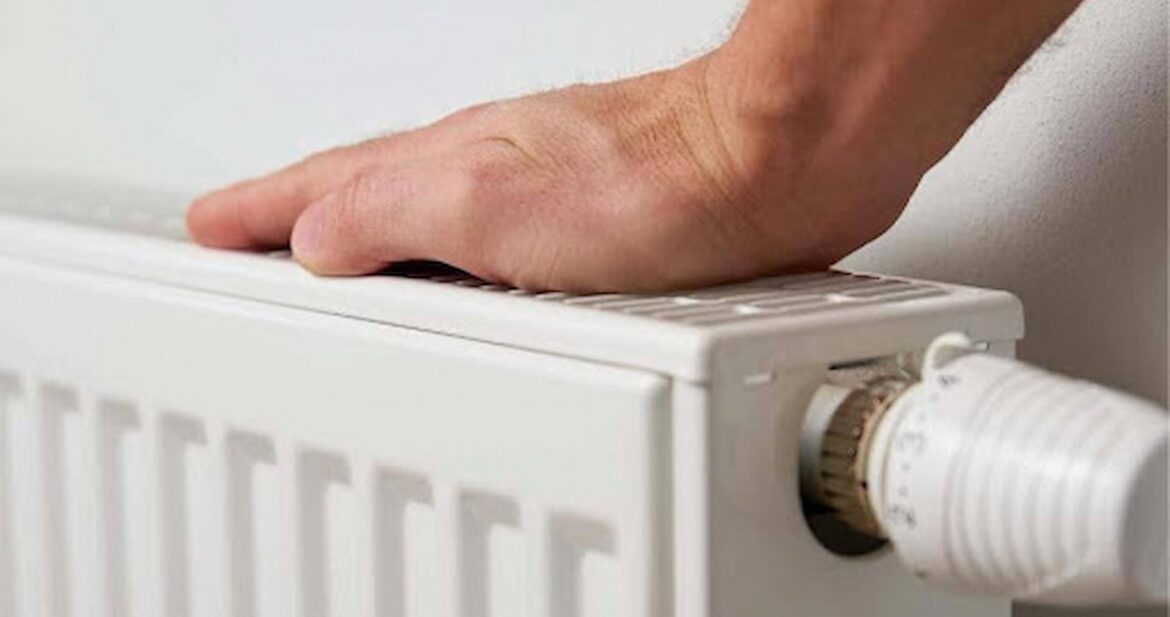
Want to keep your home warm without high energy bills? Proper radiator maintenance is the secret to maximum efficiency. Simple steps like regular bleeding, cleaning, and correct positioning can save you money and improve comfort. This guide walks you through practical tips, from spotting hidden problems to improving heat circulation. Whether you have modern or traditional models, these methods will help your radiators last longer, work smarter, and heat your home effectively all year round.
Keeping your radiators in peak condition is one of the most innovative ways to maintain a warm, energy-efficient home. With rising energy costs, even small inefficiencies in your heating system can lead to wasted money and reduced comfort. Luckily, radiator maintenance is straightforward and requires only a little time and care. By following a clear routine, you can extend the lifespan of your system, improve heating performance, and save significantly on household expenses.
Understanding Why Radiator Maintenance Matters
Radiators are designed to distribute heat evenly throughout a room. When poorly maintained, trapped air, dirt buildup, or incorrect placement can prevent them from working effectively. The result is uneven warmth, cold spots, or higher bills as your boiler works harder than it should. Regular care ensures that your heating system performs at its best, providing consistent comfort while keeping energy use under control.
Bleeding Your Radiators Regularly
One of the most common problems with radiators is trapped air inside the system. This prevents hot water from circulating properly, resulting in the top of the radiator being cold while the bottom remains warm. Bleeding your radiator is simple. Turn off your heating, use a radiator key to release trapped air, and tighten the valve when water begins to escape. This small step immediately improves efficiency, ensuring heat spreads evenly across the surface.
Cleaning Dust and Dirt Build-Up
Over time, dust and grime collect on radiators. This creates a barrier that reduces heat output and circulation. Wiping them down with a damp cloth and using a vacuum to remove dust behind and underneath will help restore efficiency. You should also consider using a radiator brush for hard-to-reach spaces. A clean radiator not only looks better but also warms the room faster and more evenly.
Checking for Leaks and Corrosion
Leaks and rust patches are warning signs of a failing radiator. Even minor drips can lead to bigger issues over time, such as water damage or system inefficiency. Inspect valves and pipe connections regularly. If you notice signs of corrosion or water stains, act quickly by tightening joints or contacting a professional. Preventing leaks early protects both your radiator and your home.
Flushing Out Sludge
A hidden issue inside radiators is sludge buildup. This is caused by rust, dirt, and minerals that collect over the years of use. Sludge blocks water flow, creating cold patches and forcing your boiler to work harder. If you notice your radiators heating unevenly, even after bleeding, a power flush may be needed. This professional service clears blockages, restoring circulation and extending the life of your entire heating system.
Correct Positioning for Better Heat
Where you place your radiator affects how efficiently it heats a room. Radiators should be installed under windows to counteract cold air entering the room. Avoid blocking them with furniture or heavy curtains, as this traps heat and reduces performance. Allowing unrestricted airflow around the radiator helps spread warmth more effectively. Small adjustments in positioning can have a significant impact on efficiency.
Using Thermostatic Radiator Valves (TRVs)
Fitting thermostatic valves to your radiators gives you greater control over temperature in individual rooms. This means you don’t waste heat in areas you use less often. TRVs are inexpensive, easy to install, and a smart way to improve energy efficiency. By fine-tuning each room, you not only stay comfortable but also reduce unnecessary heating costs.
Seasonal Checks and Servicing
Before winter arrives, test all your radiators to make sure they heat up quickly and evenly. Bleed them if necessary and inspect for leaks or blockages. During summer, when the heating system is rarely used, take the opportunity to clean, service, and even replace old or inefficient units. Preventive care before the cold months ensures your radiators won’t fail when you need them most.
The Role of Professional Maintenance
While many radiator tasks can be done yourself, professional servicing has its benefits. Heating engineers can perform system flushes, replace faulty valves, and check boiler connections. Scheduling a service every couple of years ensures your radiators and central heating system operate at maximum efficiency. This small investment often saves money long-term by preventing costly breakdowns.
Energy Efficiency and Cost Savings
Maintaining your radiators is not just about comfort—it’s about clever energy use. A clean, air-free, and properly positioned radiator can reduce heating costs significantly. In fact, households that maintain their heating systems regularly often report lower energy bills and a more reliable heating experience. With a few consistent habits, you can enjoy a warmer home without overspending on utilities.
Common Signs Your Radiators Need Attention
It’s important to act when your heating system shows signs of trouble. Look out for:
- Cold patches at the top or bottom of the radiator
- Strange gurgling or knocking noises
- Leaks around valves or connections
- Rust or discoloured water when bleeding
- Slow heat-up time compared to other radiators
Addressing these issues quickly ensures your heating system stays efficient and avoids costly damage.
Conclusion
Radiators are essential for keeping your home warm and comfortable, but they can only work at their best with proper care. Simple actions like bleeding, cleaning, and checking for leaks go a long way in ensuring efficiency. For bigger issues, professional help keeps the system in top condition. By maintaining your radiators, you enjoy better warmth, a longer lifespan, and lower bills. Small, regular steps protect both your comfort and your wallet.






Leave a Reply
You must be logged in to post a comment.