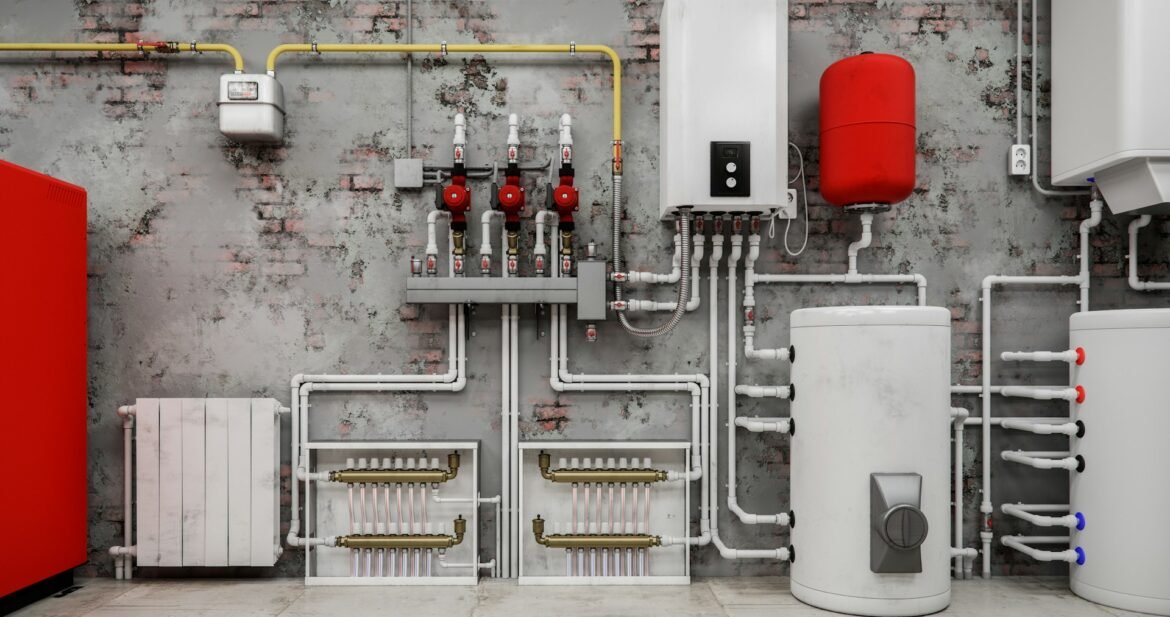
Installing a new heating system is an important home improvement project. Whether your existing unit is outdated, frequently breaking down or struggling to heat your rooms evenly, a replacement can improve comfort and energy efficiency. However, good preparation is essential for a smooth installation.
Taking a few practical steps before the installation day can help prevent delays, protect your belongings and give your installer enough space to work. From choosing the right equipment to preparing your home, here is what you should know before getting started.
1. Choose the Right Heating System
Before installation begins, consider which heating system best suits your home’s size, layout and heating requirements. Options may include a gas furnace, electric heating system, heat pump or another suitable solution.
The right choice depends on factors such as insulation, existing ductwork, energy costs and local climate conditions. A qualified heating professional can assess your property and recommend an appropriately sized system.
Homeowners arranging heating installation and replacement in Wallace, NC should discuss their comfort needs, budget and existing equipment with a qualified contractor before making a final decision. Choosing the correct system from the start can help avoid performance problems later.
2. Schedule a Professional Home Assessment
A pre-installation assessment allows the contractor to identify potential challenges before work begins. It also helps establish what equipment, materials and labour will be required.
During the visit, ask the installer to check:
- The size and layout of your home.
- Existing ductwork, vents and insulation.
- Electrical connections and fuel supply, where applicable.
- Available space for the indoor and outdoor equipment.
- Any repairs or modifications needed before installation.
Ask for a clear quotation outlining the proposed work, expected timeline and any additional costs. Confirm whether removing and disposing of the old system is included.
3. Clear the Installation Area
Installers need safe, unobstructed access to the heating equipment. Before the scheduled visit, remove boxes, furniture and stored items from the work area.
Pay particular attention to utility rooms, lofts, cupboards and outdoor spaces where equipment may be installed. If the system includes an outdoor heat pump unit, clear away leaves, garden equipment and other obstructions around the proposed location.
Keep hallways and doorways clear, too. This makes it easier to move equipment and reduces the risk of accidental damage to your belongings.
4. Protect Your Furniture and Belongings
Heating installation can involve carrying heavy equipment, drilling, cutting and working with ductwork. These activities may create dust and debris.
Move fragile items, decorations and valuable belongings away from the work area. Cover nearby furniture where necessary and protect flooring along the route installers will use.
If you have pets or young children, arrange for them to remain away from the work area during the installation. This helps keep everyone safe and allows technicians to work without unnecessary interruptions.
5. Prepare for Temporary Disruption
Depending on the type of system being installed, heating may be unavailable for part of the day or longer. Electrical work, duct modifications or additional repairs may also affect the schedule.
Ask your contractor how long the work is expected to take and whether you will need to leave the property at any stage. Plan alternative arrangements if temperatures are low or someone in your household needs a consistently warm environment.
If you work from home, consider arranging a quieter workspace elsewhere. Discuss any expected interruptions to electricity, gas or other utilities with your installer in advance.
6. Check Installation Requirements Beforehand
Before installation day, confirm that all necessary arrangements are in place. Depending on the project, this may include permits, equipment delivery, access to utility areas and any required electrical or fuel-supply upgrades.
Ask the contractor whether you need to complete any preparation yourself. Do not attempt to disconnect gas lines, alter electrical wiring or dismantle the existing heating system.
Leave technical work to appropriately qualified professionals. This helps reduce safety risks and ensures the installation follows applicable requirements and manufacturer instructions.
7. Plan for Testing and Final Checks
Once installation is complete, the system should be tested before the contractor leaves. Ask the technician to demonstrate how to operate the thermostat, adjust settings and replace filters where applicable.
Confirm that the equipment heats the home as expected and that vents are unobstructed. Request details of the warranty, maintenance schedule and any documentation you should retain.
Understanding these basics from the beginning can help you care for the new system and recognise potential problems early.
Conclusion
Preparing your home for a new heating system installation does not need to be complicated. Choosing suitable equipment, arranging a professional assessment, clearing work areas and planning for temporary disruption can make the process easier.
Before installation day, confirm the schedule, discuss any special requirements and leave technical work to qualified professionals. With careful preparation and the right installer, you can enjoy a more comfortable home and get your new heating system off to a reliable start.






Leave a Reply
You must be logged in to post a comment.